





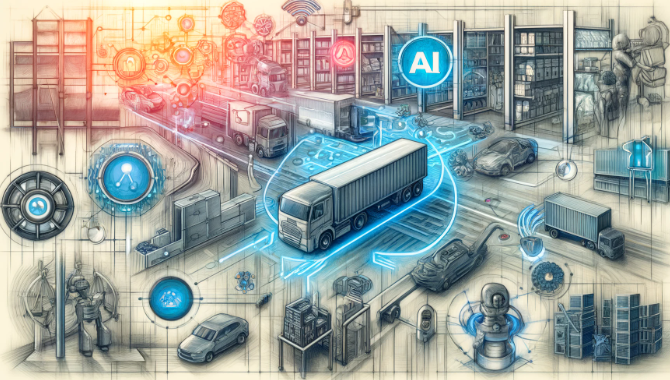
How AI and Machine Learning are Optimizing Supply Chains
Artificial Intelligence (AI) and Machine Learning (ML) are revolutionizing supply chain management by enhancing efficiency, reducing costs, and providing real-time insights. This blog explores how businesses are leveraging these technologies to streamline operations and stay competitive.
Key Points:
- Demand Forecasting: Predict future demand accurately using ML algorithms.
- Inventory Optimization: Maintain optimal stock levels with AI-powered insights.
- Route Planning: Enhance delivery efficiency through intelligent route optimization.
- Supply Chain Visibility: Gain real-time tracking and monitoring of goods in transit.
- Risk Management: Identify and mitigate potential supply chain disruptions proactively.
- Automation of Repetitive Tasks: Use AI for automating manual processes like order processing and invoice generation.
- Supplier Relationship Management: Evaluate supplier performance using predictive analytics.
- Cost Reduction: Streamline operations and reduce logistics and warehousing expenses.
- Quality Control: Implement AI-driven quality checks during manufacturing and packaging.
- Data-Driven Decision Making: Utilize real-time data insights for strategic planning.
Demand Forecasting with AI
- Description: Machine Learning models analyze historical data, market trends, and seasonal variations to predict future product demand with high accuracy.
- Tips: Integrate ML-powered forecasting tools to align production schedules and minimize stockouts or overstocking.
Real-Time Supply Chain Visibility
- Description: AI-enabled tracking systems offer end-to-end visibility of goods, ensuring transparency and reducing delays.
- Tips: Implement IoT sensors and AI analytics dashboards to monitor shipments and inventory in real time.
Route Optimization and Cost Savings
- Description: AI algorithms optimize delivery routes by considering traffic conditions, weather forecasts, and fuel efficiency, reducing transit times and operational costs.
- Tips: Use dynamic route planning solutions to ensure timely deliveries and improve customer satisfaction.
Predictive Risk Management
- Description: AI models assess potential risks such as supplier delays, geopolitical issues, or demand fluctuations, enabling proactive mitigation strategies.
- Tips: Establish automated risk alerts and contingency plans using AI-driven predictive analytics tools.
The integration of AI and Machine Learning into supply chains is no longer a luxury but a necessity for businesses aiming to stay competitive in today’s fast-paced market. By embracing these technologies, companies can achieve operational excellence, minimize risks, and deliver superior customer experiences.